Top Neurocosmetic Ingredients to Reduce Cortisol-Related Skin Dullness

Top Neurocosmetic Ingredients to Reduce Cortisol-Related Skin Dullness

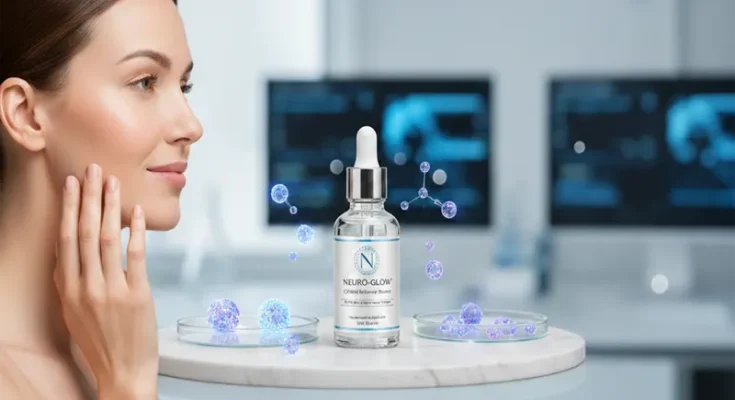
In the modern world, “stressed skin” is more than just a marketing buzzword; it is a physiological reality. For years, we viewed skin dullness as a simple matter of dead cell accumulation or dehydration. However, as the field of neurocosmectics emerges in 2026, we now understand that the radiance of our skin is inextricably linked to our brain.

When you are under chronic stress, your body’s Hypothalamic-Pituitary-Adrenal (HPA) axis is in constant overdrive, flooding your system with cortisol. This “stress hormone” doesn’t just stay in your bloodstream—it interacts directly with your skin cells, dimming your natural “glow” from the inside out. Neurocosmetics are designed to bridge this gap, using ingredients that speak the language of the skin-brain axis to restore cellular resilience.

The Science: How Cortisol Steals Your Glow

The skin is not just an outer shell; it is an immediate extension of the nervous system. It contains sensory …

Top Neurocosmetic Ingredients to Reduce Cortisol-Related Skin Dullness Read More
Step-by-Step Microbiome Skincare Routine for a Damaged Skin Barrier

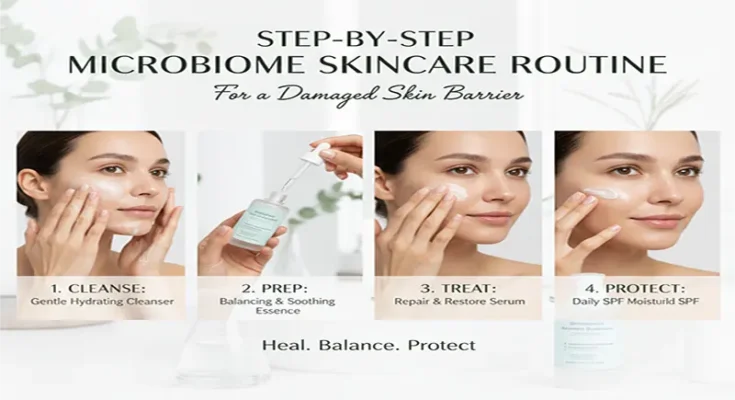
Step-by-Step Microbiome Skincare Routine for a Damaged Skin Barrier

In the pursuit of “glass skin” or the aggressive management of acne and aging, we often treat our skin as a surface to be scrubbed rather than a living ecosystem. In 2026, clinical dermatology has moved toward Corneotherapy—the science of defending the stratum corneum (the skin barrier) to ensure the health of the deeper layers.

When your skin feels tight, stings upon product application, or exhibits persistent redness and “rough” texture, you aren’t just dealing with dry skin. You are likely experiencing Dysbiosis: an ecosystem collapse where your skin’s protective microbiome has been stripped away, allowing opportunistic pathogens to trigger chronic inflammation.

The Biological Shield: Stratum Corneum & The Microbiome

The skin barrier is composed of two primary components:

  1. The Physical Barrier: The “bricks and mortar” (dead skin cells held together by lipids).
  2. The Living Barrier: The Microbiome, a diverse community of bacteria, fungi, and mites that
Step-by-Step Microbiome Skincare Routine for a Damaged Skin Barrier Read More
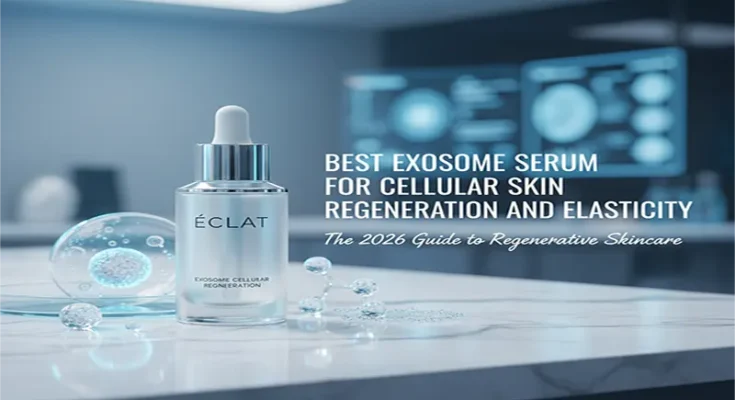
Best Exosome Serum for Cellular Skin Regeneration and Elasticity: The 2026 Guide to Regenerative Skincare

Best Exosome Serum for Cellular Skin Regeneration and Elasticity: The 2026 Guide to Regenerative Skincare

For decades, the “gold standard” in anti-aging was defined by ingredients that repaired the surface—Retinol for turnover, Vitamin C for brightness, and Hyaluronic Acid for hydration. But as we enter 2026, the frontier of skincare has shifted from surface repair to cellular communication.

At the heart of this revolution is the exosome serum. No longer confined to elite dermatology clinics, exosome technology is now the most sought-after solution for women seeking to restore skin elasticity and trigger deep cellular regeneration.

The Science of Signaling: What Are Exosomes?

To understand why exosome serums are outperforming traditional growth factors, you must understand their role as the “postal service” of the body. Exosomes are microscopic extracellular vesicles (30–150nm) that carry a potent “cargo” of proteins, lipids, and genetic material between cells.

Unlike stem cells, which are too large to penetrate the skin, exosomes act as messenger molecules. When applied topically, they …

Best Exosome Serum for Cellular Skin Regeneration and Elasticity: The 2026 Guide to Regenerative Skincare Read More
How to Use Azelaic Acid for Rosacea and Hormonal Acne Redness

How to Use Azelaic Acid for Rosacea and Hormonal Acne Redness

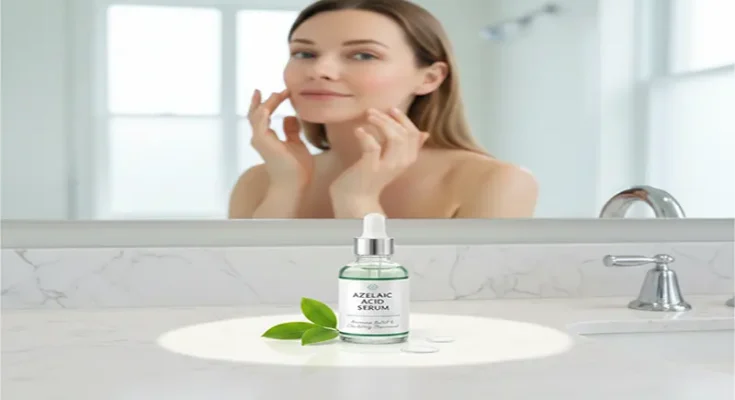
In the world of dermatology, few ingredients are as versatile—yet as underrated—as Azelaic Acid. While Retinol and Vitamin C often hog the spotlight, Azelaic Acid is the “quiet overachiever” that manages to address two of the most frustrating skin concerns simultaneously: Rosacea and Hormonal Acne.

For women in their 30s, 40s, and beyond, these two conditions often collide. You may find yourself dealing with the persistent redness and broken capillaries of rosacea alongside the deep, painful cystic breakouts of a hormonal shift. Azelaic Acid is one of the few ingredients that can treat both without the irritation associated with harsher acids.

What is Azelaic Acid?

Azelaic Acid is a naturally occurring dicarboxylic acid found in grains like barley, wheat, and rye. In skincare, it is typically bio-engineered for stability. Unlike Alpha Hydroxy Acids (AHAs) or Beta Hydroxy Acids (BHAs), Azelaic Acid has a larger molecular structure.

This larger …

How to Use Azelaic Acid for Rosacea and Hormonal Acne Redness Read More
The Ultimate Skin Care Routine Steps for Glowing Skin

The Ultimate Skin Care Routine Steps for Glowing Skin

Achieving radiant, healthy skin often requires more than just good genes and luck; it takes a dedicated skin care routine. While the specifics can vary depending on your skin type and concerns, a comprehensive regimen typically includes a few essential steps. Here’s a detailed guide on the key steps to include in your daily skin care routine for glowing skin.

1. Cleansing

Purpose: Removes dirt, oil, makeup, and impurities from the skin.

How to Do It: Choose a gentle cleanser that suits your skin type (gel-based for oily skin, cream-based for dry skin). Use lukewarm water to avoid stripping your skin of its natural oils. Cleanse your face twice daily, in the morning and evening.

2. Exfoliating

Purpose: Removes dead skin cells, promotes cell turnover, and helps to prevent clogged pores.

How to Do It: Use a gentle exfoliant 2-3 times a week. Physical exfoliants contain …

The Ultimate Skin Care Routine Steps for Glowing Skin Read More